Squirrel Removal Services for Homeowners in Raleigh, Durham & More
Squirrels are one of the most common – and most destructive – wildlife critters homeowners across North Carolina face. What starts as a scratching sound in the ceiling or a rustling noise behind the fireplace can quickly become a serious structural and safety issue if left unaddressed. At Mr. Smokestack, squirrel intrusions are something we encounter regularly during chimney, attic, and crawlspace inspections, and we’ve seen firsthand the kind of damage these small animals can cause when they’re given time to settle in.
Why Are Squirrels Attracted To Homes? When Do They Usually Enter?
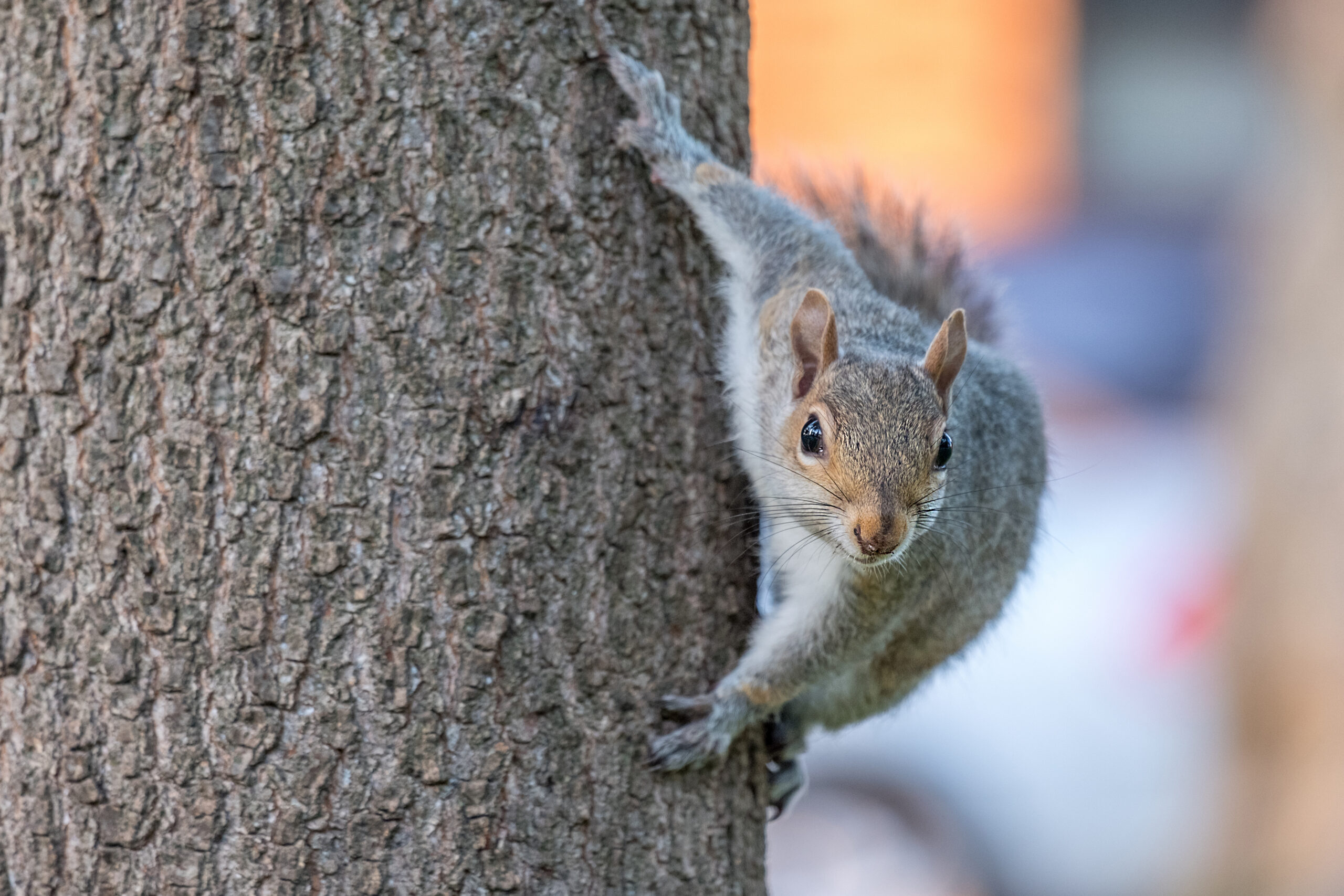
Squirrels are resourceful, persistent, and constantly on the lookout for warm places to nest and store food. Your home – particularly your attic, crawlspace, and chimney – checks every box on their list. They are excellent climbers and surprisingly strong chewers, capable of gnawing through wood, plastic, thin metal, and even certain types of roofing material to create or enlarge an entry point.
Squirrels are most likely to attempt entry into your home during two key periods:
- Late winter (January/February): Females seek warm, protected nesting sites ahead of their first litter of the year.
- Midsummer (June/July): A second breeding cycle drives another round of nesting activity.
Understanding this seasonal pattern is important – not just for identifying when you’re most at risk, but for timing any removal or exclusion work responsibly and effectively.
Chimneys
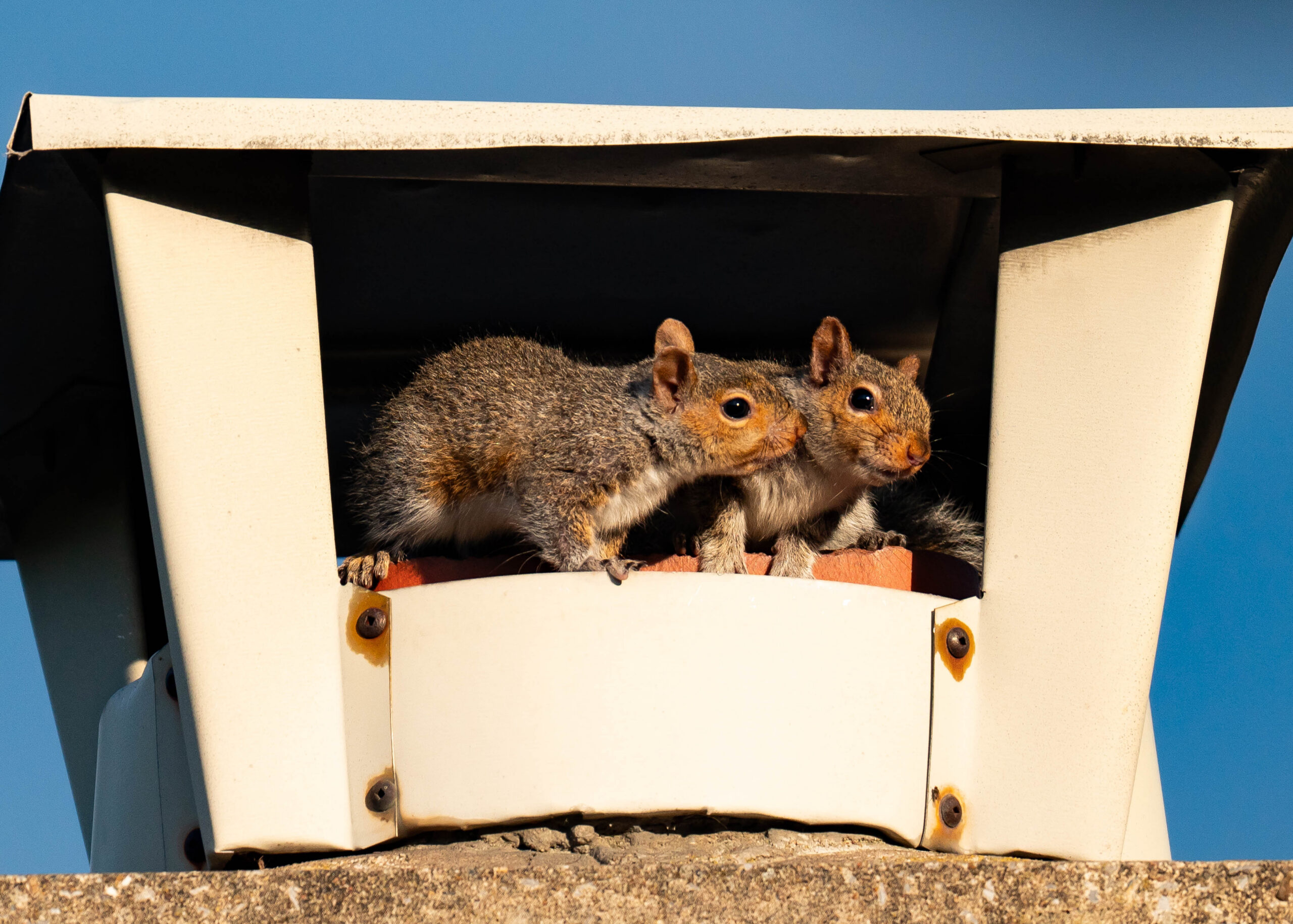
Chimneys are a natural target, particularly for squirrels exploring rooflines in search of entry points. Common chimney-related intrusion scenarios include:
- Squirrels falling into the flue through an uncapped chimney opening, often becoming trapped and unable to climb back out.
- Active nesting in the area between the chimney chase and the roofline, particularly around loose or damaged chase covers.
- Entry through damaged or missing chimney caps leading to nesting inside the smoke chamber or on top of the damper.
A squirrel trapped inside a chimney flue is a situation that requires prompt attention. The animal will become increasingly distressed, and its attempts to escape can drive it past the damper and into the living area of the home. If you hear frantic scratching or movement inside your firebox, keep the damper closed, keep the fireplace area sealed off from the rest of the home, and call us immediately.
Crawlspaces
Crawlspaces are a less common but entirely real entry point for squirrels, particularly in homes where crawlspace vents are deteriorated, damaged, or missing their screens entirely. Squirrels nesting in crawlspaces have access to insulation, wiring, and plumbing – all of which are vulnerable to chewing damage.
Crawlspace infestations are also more likely to go undetected for extended periods, allowing damage to accumulate significantly before discovery.
How Do I Prevent Squirrels From Getting Into My Home in the Future?
Prevention is always more cost-effective than remediation. The best long-term strategy combines professional exclusion work with regular inspections to catch new vulnerabilities before animals exploit them.
The most impactful preventive steps include:
- Install a properly fitted chimney cap. This is the single most effective defense against squirrels, birds, and other wildlife using your chimney as an entry point.
- Keep tree branches trimmed back from the roofline. Overhanging branches are a direct highway onto your roof and toward your chimney and soffit areas – maintain at least a 6-8 foot clearance.
- Inspect and maintain soffit and fascia regularly. These are the most common access points for attic intrusions. Damaged or deteriorating materials should be repaired promptly.
- Check and replace damaged crawlspace vent screens. This is a simple, inexpensive repair that closes off an often-overlooked entry point.
- Schedule annual chimney and exterior inspections. Regular professional inspections catch developing vulnerabilities before they become active entry points.
Ready To Get the Squirrels Out for Good?
Every day a squirrel spends inside your home is another day of potential damage to your wiring, insulation, and structure. The right time to act is now, before the problem gets bigger, more expensive, and harder to fix.
Don’t let a scratching sound in the ceiling turn into a wiring fire, a collapsed soffit, or a family of squirrels that has been nesting undisturbed for months. The sooner you call, the simpler and less expensive the solution almost always is. Reach out to Mr. Smokestack today and let’s take care of it.
Developing a wildlife removal plan is essential for home invaders like squirrels, raccoons, birds, and more.